Upgrade Your Home: Essential Facts On Residential Improvement Projects for All Property Owners
Many householders want to find ways to improve their homes through remodeling services. These renovations extend from kitchen upgrades to comprehensive home makeovers. Being aware of the possibilities is vital for deciding wisely. Furthermore, there exist practical considerations such as setting a budget and contractor selection. As homeowners commence on this journey, they may find themselves facing unforeseen difficulties. The key to a successful transformation requires meticulous preparation and performance. What steps should be taken next?
Grasping the Diverse Forms of Home Remodeling Services
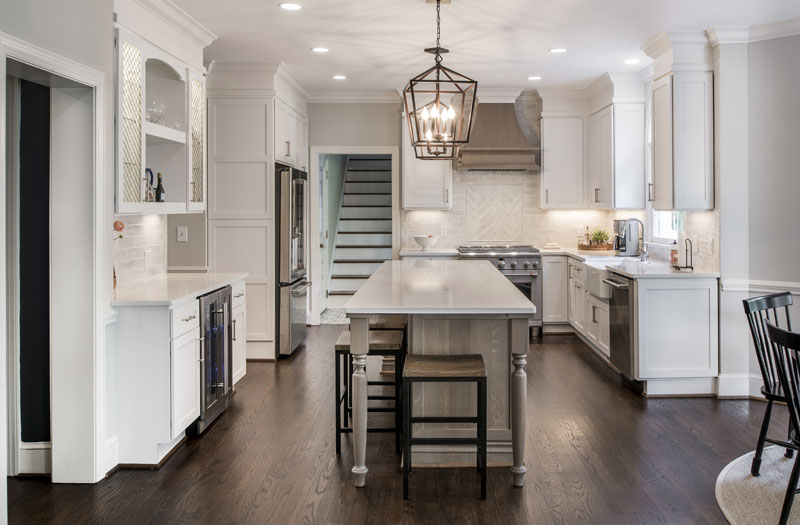
When property owners think about upgrading their residences, they typically find a variety of remodeling services designed for specific preferences and preferences. These services can be broadly categorized into several types, each focusing on particular areas of residential enhancement. Kitchen renovations center on upgrading equipment, storage units, and floor plans to enhance functionality and the look. Bathroom remodeling typically involves improving the fittings, the ceramic work, and storage solutions for improved comfort and design.
Whole-home remodeling encompasses extensive modifications to the entire house, sometimes requiring major structural work to make the most of the space and flow. External improvement work, in contrast, focus on boosting the property's street view, addressing siding, roofing, and landscaping. Furthermore, specific options like basement finishing and loft remodeling help residents make the most of unused areas. Each type of remodeling service delivers specific perks, enabling homeowners to choose options that match their goals for their living environment. Knowing these variations is vital for choosing wisely during the renovation process.
Creating an Attainable Financial Limit for Your Renovation Undertaking
What steps ensure their renovation work stays financially viable? Setting a practical budget is crucial. Homeowners should begin by assessing their monetary resources, like savings and available loan choices. This first stage allows one to figure out the amount that can be set aside for the renovation while maintaining other fiscal obligations.
Next, homeowners must research the costs associated with their desired renovations, including materials, labor, and surprise expenses that tend to crop up. Creating a detailed list of priorities will assist in separating necessities from non-essential items, enabling modifications if the finances are strained.
It is prudent to set aside an emergency fund, typically around 10-20% of the total budget, to account for surprise expenditures. Frequently checking and modifying the budget throughout the remodeling process can further assist in keeping finances in check. Ultimately, a well-planned budget ensures the project is feasible and makes the whole updating experience better for property owners.
Choosing the Right Contractor for Your Requirements.
Choosing the appropriate professional has a major influence on the outcome of an updating effort. It is recommended that homeowners start by conducting thorough research, looking for suggestions from acquaintances, relatives, or web feedback. It is crucial to check qualifications, including licenses, insurance, and bonding, to verify their standing.
After suitable professionals have been found, homeowners should request detailed estimates and timelines, making it possible to compare options knowledgeably. Discussions reveal their approach to dialogue and their level of expertise, which are crucial for working together effectively.
Additionally, reviewing past projects through portfolios or references demonstrates the professional's skill level. It is wise to question them visit this page regarding warranties or safeguards, reflecting the contractor's confidence in their work.
In the end, choosing a professional who matches the homeowner's goals, finances, and schedule creates a better renovation journey, making certain the outcome satisfies needs and transforms the living space effectively.
Structuring and Laying Out Your Ideal Space.
As those renovating imagine their desired rooms, thorough preparation and well-considered layout become essential components of a successful remodeling project. The first step involves evaluating current needs and future aspirations, to gain a complete comprehension of the area's utility. Owners must take into account practicality, aesthetics, and their individual taste, making sure the design captures their distinctive choices.
Following this, developing a comprehensive budget is essential. This budget should cover supplies, workforce costs, and contingency funds. Hiring professional designers can give meaningful advice, assisting in improving the layout while sticking to budgetary constraints.
Integrating components like natural light, spacious designs, and sustainable materials can enhance the overall experience. In conclusion, visualizing the project through mock-ups or 3D visualizations can assist in finalizing plans before starting the work. By thoughtfully tackling the design and planning stage, homeowners can build a comfortable, effective space tailored to their lifestyle.
Understanding Regulations and Permits in Residential Projects
Grasping the intricacies of permits and rules can be intimidating for homeowners embarking on a renovation. Every local government sets particular guidelines that dictate what is permissible during renovations, typically guided by zoning laws, building codes, and security requirements. It is essential for homeowners to understand local regulations to prevent expensive penalties or setbacks in the timeline.
In most cases, getting permits is mandatory for significant alterations, such as structural changes or new wiring installations. This process usually necessitates providing designs for examination and could involve check-ups at various stages.
Working with a skilled professional can make this procedure easier, as they are typically experts in municipal rules and can help manage the documentation. Homeowners should also keep communication open with the municipal planning office to verify legality throughout the project. By comprehending and working within these rules, homeowners can fulfill their improvement aims while ensuring safety and legality in their renovations.
FAQs
How Long Does a Typical Home Remodeling Project Take?
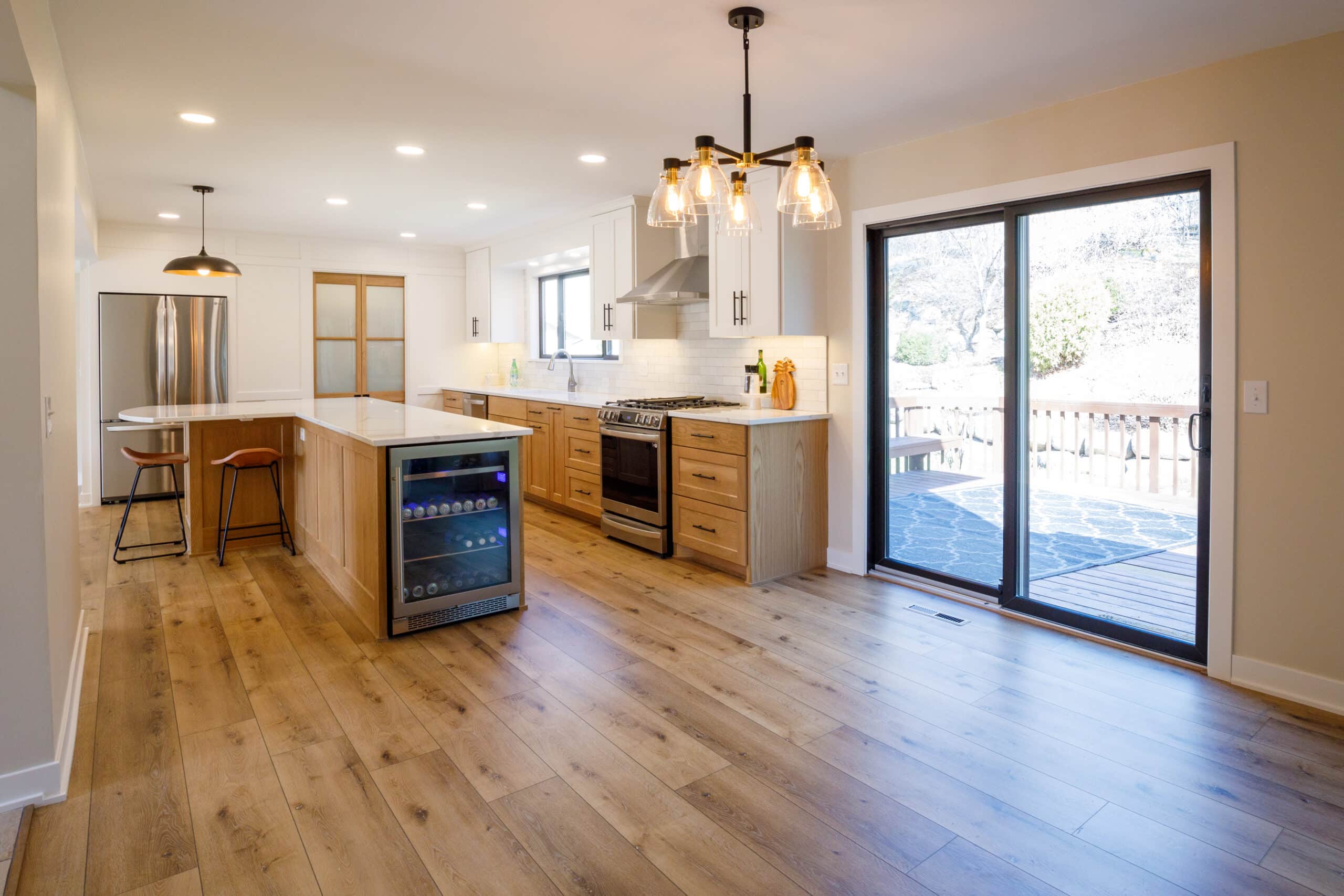
The average remodeling job typically spans between three to six months, depending on the scope of work, size of the home, and availability of materials. Complex projects may require additional time for completion.
What are common mistakes to avoid while undertaking a remodel?
Typical pitfalls in the remodeling process often involve underestimating budgets, neglecting permits, missing scheduled deadlines, not maintaining clear communication with the construction team, and failing to think about long-term functionality. Understanding these dangers can lead to a more efficient, more successful remodeling experience.
How do I choose the best supplies for the job?
Picking the best materials means considering durability, the look and feel, and financial limits. Investigating available choices, consulting professionals, and factoring in how much care they require can greatly aid in reaching educated conclusions, ensuring the project aligns your needs and preferences.
Can I live in my home throughout the construction phase?
Yes, one can live on the premises during renovations, but it could be uncomfortable. Detailed organization, clear communication with contractors, and creating defined spaces for daily use can lessen the stress during the process.
What kind of coverage should be provided from remodeling contractors?
Homeowners should expect warranties covering workmanship, the products installed, and key building elements, often covering a period of one to ten years. It is crucial to review the fine print and details in partnership with the renovation company to understand coverage and limitations fully.